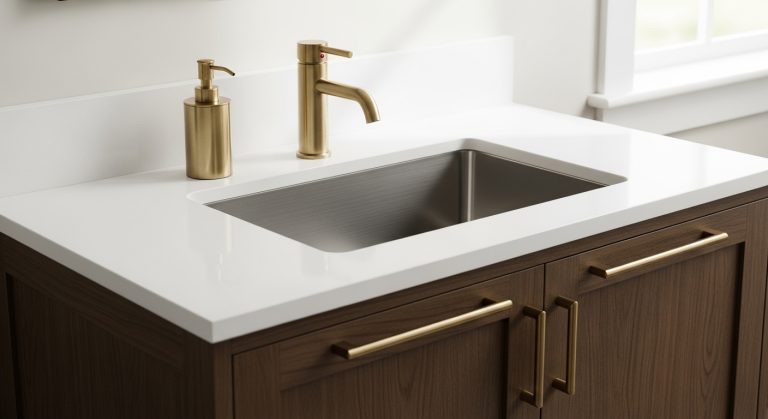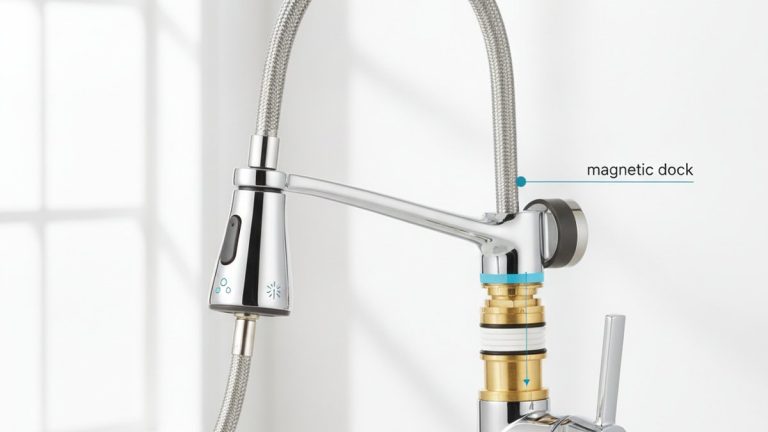
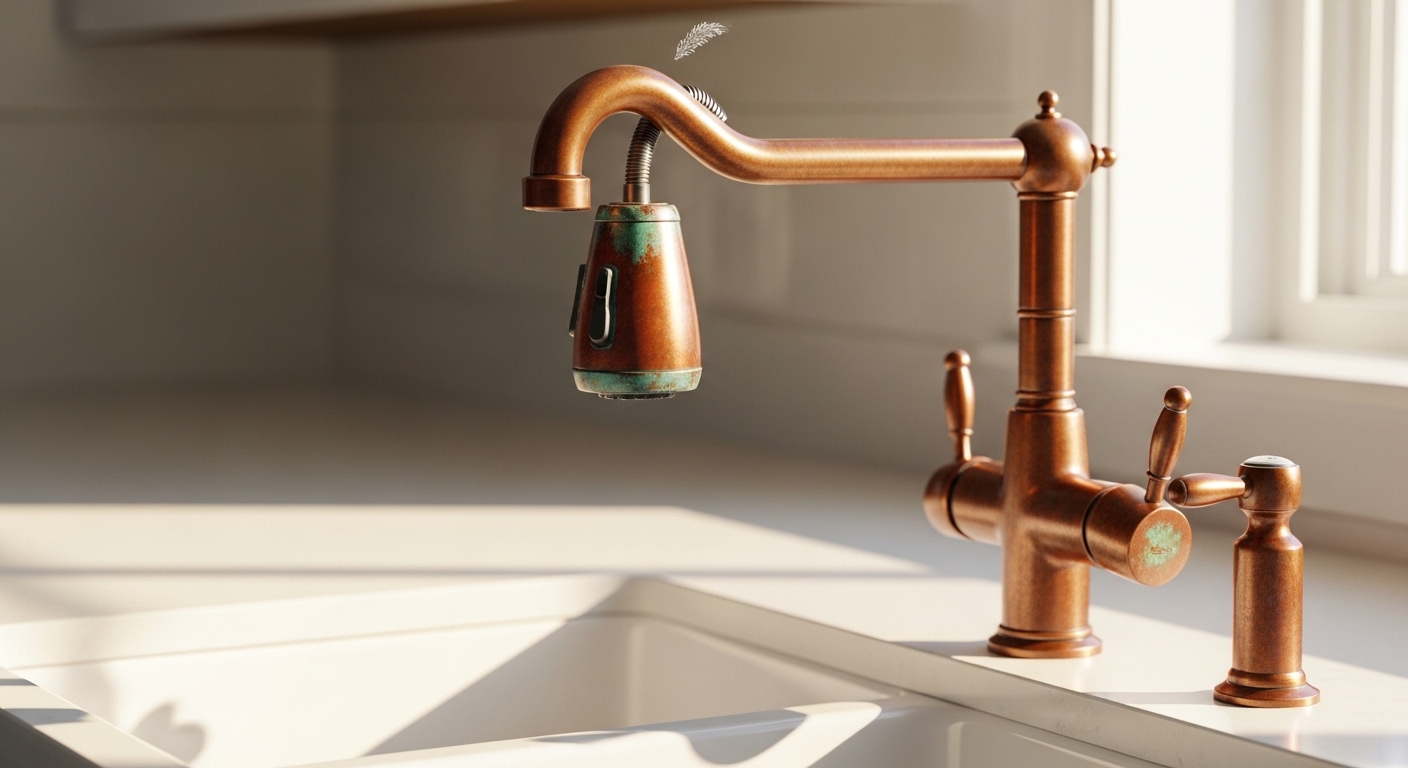
A copper faucet line is a matched collection of faucets and fixtures — kitchen faucet, bathroom sink faucet, tub filler, shower trim, and often accessories like soap dispensers and drains — all finished in the same copper tone so your whole space looks intentional instead of pieced together. If you’ve been hunting for that warm, glowing metal that makes a farmhouse sink or a stone vessel bowl look like a designer did it, this is the category you’re circling. Below, I’ll break down exactly what “copper faucet line” means (there are two very different things people mean by it), what separates a fixture that lasts 25 years from one that peels in 18 months, and how to pick the right finish, build, and price point for your actual home.
What does “copper faucet line” actually mean — a product collection or a supply line?
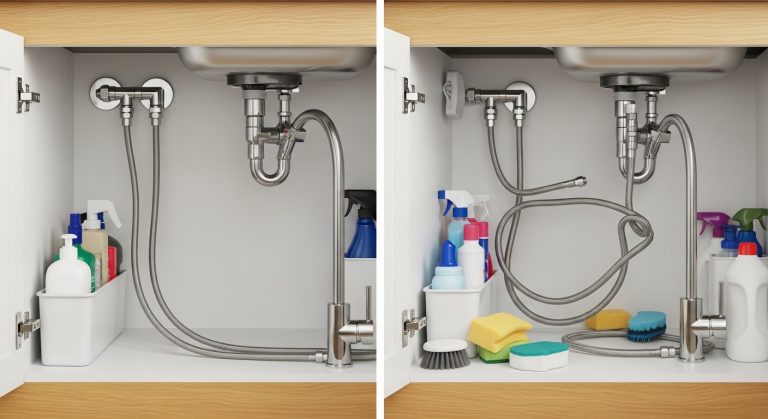
It means one of two things, so let’s clear it up first. Most shoppers searching “copper faucet line” want a product line — a coordinated family of copper-finished faucets from a single brand so the finish matches across the kitchen and bathroom. A smaller group means the literal copper water supply line — the flexible or rigid tube that carries water from your shut-off valve to the faucet tailpiece.
This article is mostly about the first meaning, because that’s the buying decision people agonize over. But the second meaning matters too, and here’s the one-sentence version: copper supply lines (typically 3/8″ compression) are durable and code-approved, though most modern installs use braided stainless steel because it’s more flexible and easier to route. If your real question is about supply tubing length and fit, our guide on whether faucet supply lines can be too long covers that in depth. For everything else — the pretty copper faucets you actually see — keep reading.
Is a copper faucet line worth it, or is it just an expensive trend?
It’s worth it for the right buyer, and it’s not just a trend — copper has been used for water fixtures for literally thousands of years. What you’re paying for is three real things: a warm color that no other finish replicates, a metal that’s naturally antimicrobial, and a fixture that can look better in year ten than it did on day one if you choose a living finish.
Here’s the honest downside. Copper is a “high-maintenance” look if you want it to stay mirror-bright, because raw and lacquered copper both react to water, oils, and cleaners over time. If you fight the patina, you’ll be polishing constantly. If you embrace the patina, copper becomes one of the lowest-stress finishes you can own, because scratches and water spots just blend into the natural aging. So the real question isn’t “is copper worth it” — it’s “do I want a living finish that changes, or a sealed finish that stays put?” Both are valid; picking the wrong one is what makes people regret the purchase.
- Buy copper if: you love warm metals, you have a farmhouse, rustic, Mediterranean, or transitional space, and you either want a finish that ages or don’t mind occasional polishing.
- Skip copper if: you want a fixture that looks identical for 20 years with zero upkeep, or your whole home is cool-toned chrome and stainless (copper will fight it).
What’s the difference between living copper, PVD copper, and copper-plated faucets?
The finish type is the single most important spec in a copper faucet line, and it’s the one most product pages hide. In plain terms: living copper is raw sealed or unsealed copper that changes color over time, PVD copper is a permanent bonded finish that never changes, and copper-plated is a thin sprayed or electroplated layer that can wear through. The first two are what you want; the third is what disappoints people.
| Finish type | How it’s made | Ages / changes color? | Durability | Typical price per piece |
|---|---|---|---|---|
| Living copper (unsealed) | Solid copper or copper over brass, no clear coat | Yes — patinas continuously | Very high; scratches blend in | $200–$600 |
| Living copper (lacquered) | Copper with a clear protective coat | Slowly, once the coat wears | High, but coating can flake | $150–$450 |
| PVD copper / rose gold | Vaporized metal bonded under vacuum | No — permanent, uniform | Extremely high; scratch & tarnish resistant | $180–$550 |
| Copper-plated (budget) | Thin electroplate or spray over zinc/brass | No, until it peels | Low; can flake in 1–3 years | $40–$120 |
My rule of thumb: if a “copper” faucet costs under about $80 and the listing won’t tell you the base metal, assume it’s zinc alloy with a plated coating and pass. A genuine copper faucet line is built on solid brass bodies, which is what gives the fixture its weight, its corrosion resistance, and its lifespan. If you want a deeper look at how brass base metal drives quality across finishes, our piece on why a brass faucet even works alongside a silver sink explains the material logic that applies to copper too.
Does a copper faucet really fight bacteria, or is that marketing?
It’s real, not marketing — copper is genuinely antimicrobial, and it’s one of the few finish claims backed by hard science. The EPA has registered copper and certain copper alloys as antimicrobial materials, meaning solid copper surfaces continuously reduce bacteria that land on them. On a faucet handle you touch with raw-chicken hands or a shower valve in a humid bathroom, that’s a legitimate hygiene perk.
Two honest caveats. First, this only applies to bare copper or high-copper brass surfaces — a lacquered or PVD-coated copper faucet seals the metal, so the antimicrobial effect is reduced or gone. Second, it’s a nice bonus, not a reason to skip cleaning. But if hygiene is a priority for you, an unsealed living-copper handle is the one finish in the whole faucet world that actively helps.
Which rooms should a copper faucet line go in, and how do I match it?
Start in one room, match ruthlessly within it, then decide whether to extend the line. The biggest copper mistake is buying a copper kitchen faucet, then a slightly different copper bathroom faucet from another brand — the tones won’t match, and mismatched warm metals look like a mistake, not a choice. Within a single copper line from one manufacturer, every piece is finished in the same batch tone, so the sink faucet, soap dispenser, cabinet pulls, and drain all read as one.
Copper pairs beautifully with specific materials, and clashes with others:
- Best pairings: white fireclay or farmhouse sinks, natural stone (marble, soapstone, travertine), matte black accents, warm wood cabinetry, and cream or sage walls.
- Handle with care: cool grays and stainless appliances — copper can work as a deliberate contrast, but you need to repeat the copper elsewhere (pendant lights, hardware) so it looks intentional.
- Avoid: mixing copper with chrome or polished nickel in the same sightline. Two competing metals in one glance rarely lands.
If you’re specifically building out a bathroom, our guide to choosing a copper faucet set for your bathroom walks through widespread vs. single-hole configurations and how many holes your sink actually needs. And if you’re weighing copper against other premium finishes at the top of the market, the roundup of the best luxury faucet brands puts copper in context next to unlacquered brass and champagne bronze.
What should I look for in the spec sheet before I buy?
Look past the finish photo and check five specs — they tell you whether the fixture is a keeper. A gorgeous copper faucet with a plastic cartridge and a 1.2 GPM trickle will still frustrate you daily, so read these before you click buy:
- Base material: “solid brass” or “copper” body — not “zinc alloy” or “stainless-look.”
- Valve/cartridge: a ceramic-disc cartridge (ideally a name-brand like Sedal or a Kerox equivalent). Ceramic discs are what keep a faucet drip-free for a decade-plus.
- Flow rate (GPM): 1.8 GPM is the modern sweet spot for a kitchen faucet — enough force to rinse, still efficient. If you want the full breakdown, see our explainer on the flow rate of a standard kitchen faucet and how much GPM you actually need.
- Certifications: look for NSF/ANSI 61 and 372 (lead-free/drinking-water safe), cUPC or WaterSense listing, and CEC compliance if you’re in California.
- Warranty: a real copper line backs the finish. A limited lifetime warranty on function and finish is the gold standard; a 1-year finish warranty is a red flag for plated junk.
Will a copper faucet survive hard water and everyday cleaning?
Yes, if you match the finish to your water and clean it correctly — but hard water is copper’s toughest test. Solid copper and PVD copper hold up fine against hard water, but the white mineral scale from hard water shows more on warm metals than on chrome, and acidic descalers will strip a lacquer coating fast. If you have hard water, unsealed living copper is actually the easiest choice, because the patina hides mineral spotting instead of highlighting it.
The cleaning rules are simple: use mild soap and a soft cloth, skip anything abrasive, and never use bleach, ammonia, or acidic bathroom cleaners on copper — they’ll cause blotchy discoloration on sealed finishes and can strip PVD’s shine over time. For living copper you don’t want to age, an occasional copper polish brings the shine back; for a finish you’re letting patina, just wipe and walk away. If hard water is your real headache, our guide to the best bathroom faucet for hard water covers cartridge and finish choices that resist scale buildup.
How much should I budget for a full copper faucet line in 2026?
Budget $150–$600 per fixture for quality, or roughly $600–$2,000 to outfit a kitchen plus one bathroom in a matched copper line. That’s the honest range for solid-brass, ceramic-cartridge fixtures with a real copper or PVD finish. Below is how the spend typically breaks down so you can plan.
| Piece | Budget-quality (solid brass) | Premium / designer |
|---|---|---|
| Kitchen faucet (pull-down) | $180–$320 | $400–$700 |
| Bathroom sink faucet | $120–$220 | $300–$550 |
| Tub filler / freestanding | $350–$600 | $800–$1,800 |
| Shower trim + valve | $220–$400 | $500–$1,100 |
| Accessories (soap pump, drain) | $40–$90 each | $100–$200 each |
Where should you spend more? The kitchen faucet and the tub filler, because those are the pieces you touch most and see most. You can save on a guest-bath sink faucet without anyone noticing. What you should never do is buy the $50 “copper” faucet to save money — you’ll replace it inside three years when the coating peels, and a replacement plus reinstall costs more than buying right the first time.
A note on who’s telling you this
This guide was written by the faucitta fixtures team — we’ve been selling and testing faucets and bathroom fixtures full-time, and our finish and cartridge recommendations come from bench-testing hardware, tracking warranty return rates, and reading the spec sheets manufacturers don’t put in the marketing photos. Every faucet in a faucitta copper line is built on solid brass, uses a ceramic-disc cartridge cycle-tested to standard endurance ratings, and meets NSF/ANSI 61 and 372 lead-free requirements for drinking-water safety. We back our copper fixtures with a finish-and-function warranty because we’ve watched the cheap plated stuff fail — and we don’t sell it.
FAQ
Do copper faucets tarnish, and can I stop it?
Unsealed living copper will naturally darken and patina — that’s the intended behavior, not a defect. You can slow it with regular copper polish or stop it entirely by choosing a PVD copper or lacquered finish. If you want zero color change with zero effort, pick PVD; it’s a bonded finish that stays the same for the life of the faucet.
Is a copper finish the same as rose gold or copper PVD?
Not exactly. Traditional copper is a warmer, more orange-brown tone that can age; “rose gold” and “copper PVD” are usually pinkier, permanent, uniform finishes made by vapor deposition. If you want a fixture that never changes and matches perfectly across pieces, go PVD. If you want that authentic aged-copper look, go with real living copper.
Are cheap copper faucets under $80 ever worth it?
Rarely. At that price the body is almost always zinc alloy with a thin plated coating that can flake within one to three years, and the cartridge is often plastic. If budget is tight, you’re better off buying one quality solid-brass copper faucet for the room that matters most and using a different finish elsewhere than buying an entire cheap plated “line.”
Can I mix copper faucets with stainless steel appliances?
Yes, if you do it deliberately. Stainless is a cool neutral, so copper reads as a warm accent against it — that contrast is a popular modern-farmhouse look. The trick is to repeat the copper elsewhere (cabinet hardware, a pendant light, a copper drain) so it looks like a design choice rather than a leftover fixture.
What base metal should a real copper faucet line use?
Solid brass. Brass gives the faucet its weight, corrosion resistance, and multi-decade lifespan, and it’s the standard base for both living-copper and PVD-copper finishes. If a listing says “zinc alloy,” “stainless-look,” or won’t name the base material at all, treat it as a budget plated fixture, not a true copper line.