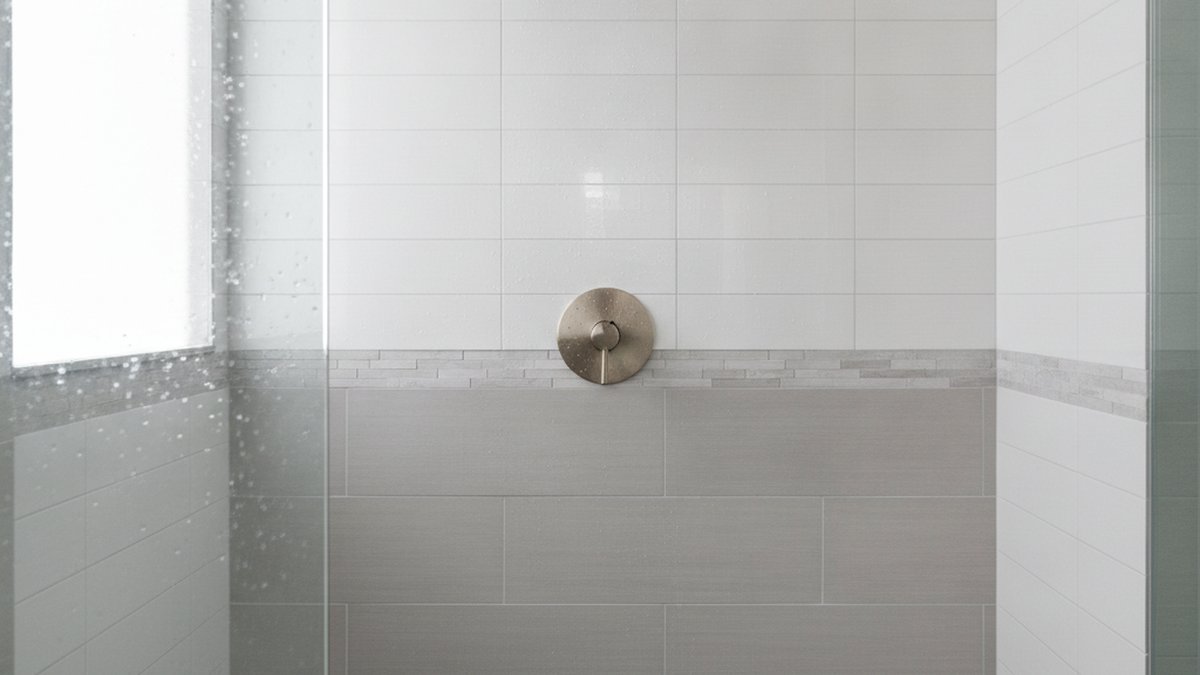
If you’ve searched for a brushed nickel shower faucet only set, you’re almost certainly renovating a stall shower, a walk-in enclosure, or a basement bathroom where there’s no tub — and you want that soft, satin-gray brushed nickel look instead of shiny chrome. The word “only” is doing real work here: it means shower-only, no tub spout, no diverter feeding a bathtub. That single detail changes which valve you buy, how the plumbing is piped, and even where the water outlet sits in the wall. Get it right and you have a clean, cohesive shower that hides water spots and fingerprints for years. Get it wrong and you end up with a leftover tub-spout port capped off behind tile, or a finish that clashes with your towel bars.
This guide walks through exactly what a shower-only faucet set includes, why brushed nickel is a smart finish for a wet shower, how it compares to chrome and matte black, what to budget, and how to make sure the valve you buy matches the trim you want. It’s written for real people standing in a tile store or scrolling a product page at 11 p.m., not for keyword robots.
What does a “shower faucet only” set actually include?
A shower-only faucet set is the parts that control and deliver water in a shower with no tub: a mixing valve (the part inside the wall), a trim kit (the handle and escutcheon plate you see and touch), a shower arm, and a showerhead. Because there’s no bathtub, there is no tub spout and usually no diverter — water goes to one place, the showerhead.
Here’s how the pieces break down so you know what you’re actually buying:
- Rough-in valve (the “guts”): This is the brass or bronze valve body that gets soldered or push-fit into your supply lines behind the wall. Most quality showers use a pressure-balancing or thermostatic valve so the water doesn’t scald you when someone flushes a toilet elsewhere in the house.
- Trim kit (the pretty part): The handle, the round or square wall plate (escutcheon), and the sleeve. This is where the brushed nickel finish lives. You can change the trim later without ripping open the wall, as long as the trim matches the valve brand and series.
- Shower arm and flange: The curved pipe coming out of the wall plus the small cover ring, both in matching brushed nickel.
- Showerhead: Fixed wall-mount, rain-style ceiling mount, or handheld on a slide bar — your choice, in the same finish.
A true shower-only set skips the tub spout entirely. That matters because a tub-and-shower valve has an extra outlet port at the bottom for the spout; if you install one of those in a shower-only wall and cap the spout port, you’ve paid for a part you don’t use and created one more hidden joint that could weep over time.
Why pick brushed nickel over chrome or matte black for a shower?
Brushed nickel is the best all-around shower finish for most homes because it hides water spots, soap film, and fingerprints far better than polished chrome, while staying more neutral and timeless than trendy matte black. Its warm, satin-gray tone reads as “quietly upscale” and pairs with almost any tile — white, gray, greige, or wood-look.
The practical wins matter most in a shower, where hard water and steam are constant. A polished chrome trim shows every dried mineral droplet; brushed nickel’s fine directional grain scatters light and camouflages the same spots. Matte black looks stunning in a showroom but shows dried hard-water minerals (which are light-colored) more obviously and can look chalky in a high-mineral area unless you wipe it constantly. If you have hard water — and most of the U.S. does — brushed nickel is the low-maintenance middle ground. If you want the deeper reasoning on the finish itself, our guide on whether a brushed nickel faucet is a smart pick for a modern bathroom breaks down how the tone plays with contemporary tile and lighting.
| Finish | Hides water spots? | Fingerprints | Best for | Typical upkeep |
|---|---|---|---|---|
| Brushed nickel | Yes — very well | Low visibility | Hard-water homes, families, timeless look | Wipe weekly, no special cleaner |
| Polished chrome | Poor — shows everything | High visibility | Budget builds, ultra-bright bathrooms | Wipe after most uses to stay spotless |
| Matte black | Mixed — shows light minerals | Low, but dust shows | Bold modern design, soft-water areas | Frequent wiping in hard water |
| Brushed gold / champagne bronze | Good | Low visibility | Warm, luxe transitional baths | Wipe weekly, avoid abrasives |
How do I make sure the brushed nickel trim actually matches the valve?
The safest way is to buy the valve and the brushed nickel trim from the same brand and same series — mixing a generic valve with another brand’s trim is the number-one reason a shower “faucet only” project stalls. Valves and trims are engineered as matched pairs; the stem length, cartridge shape, and mounting depth all have to agree.
Two things trip people up:
- Valve/trim brand mismatch. A trim kit is designed to fit a specific valve family. If you already have a valve in the wall, identify the brand and series before ordering a brushed nickel trim. If you’re starting fresh, buy the set together.
- “Trim only” vs “valve included.” Product listings for a shower faucet only set come two ways. A trim-only listing assumes you already have (or will buy separately) the compatible rough-in valve. A complete listing includes both. Read carefully — a surprisingly common return is someone who bought a beautiful brushed nickel trim kit expecting the in-wall valve to be in the box.
If you’re replacing just the visible parts on an existing shower — same valve, new brushed nickel handle and showerhead — that’s a trim swap and you can often do it in an afternoon. If you’re roughing in new plumbing, the valve goes in first, before the tile. Our step-by-step on installing a shower handle valve yourself without ripping open the wall covers the trim-swap route in detail, and it’s the single best thing to read before you order.
Pressure-balancing or thermostatic — which valve should a shower-only set use?
For most homes, a pressure-balancing valve is the right and code-compliant choice for a shower-only set: it’s affordable, reliable, and prevents scalding by keeping the hot/cold ratio steady when water pressure fluctuates. Step up to a thermostatic valve if you want to dial in an exact temperature, run multiple sprays, or you simply want the most luxurious, hotel-like control.
Here’s the plain-English difference. A pressure-balancing valve reacts to pressure — if someone flushes and cold pressure drops, it throttles the hot to match, so you don’t get blasted. You set temperature and volume with one handle together. A thermostatic valve holds a set temperature no matter what, and typically separates temperature control from volume, so you can turn the water on to the exact warmth you like every time. Thermostatic valves cost more and are the go-to when you’re feeding a rain head plus body sprays.
For a simple, single-showerhead brushed nickel shower faucet only setup, a single-handle pressure-balancing valve is the sweet spot on price and performance. Almost every major brand’s brushed nickel trim is offered in this configuration.
What should a good brushed nickel shower faucet only set cost in 2026?
Expect to pay roughly $70–$150 for a solid single-handle brushed nickel shower faucet only set (valve plus trim plus showerhead) at the mainstream quality tier, $150–$350 for a thermostatic or rain-shower upgrade, and $350+ for a designer multi-spray system. Trim-only kits, if you already have the valve, usually run $40–$120 in brushed nickel.
What actually drives the price:
- Valve type: Pressure-balancing is cheaper; thermostatic adds $80–$200.
- Showerhead style: A simple fixed head is included on budget sets; a large rain head or a handheld-on-slide-bar adds cost.
- Solid brass vs. lighter build: A solid-brass valve body and metal handle last longer and feel more substantial than zinc or plastic internals. This is where paying a bit more genuinely pays off over 10–15 years.
- Number of functions: One outlet is cheapest. Add a diverter for a handheld plus a rain head and the valve and trim both step up.
A quick word on where to buy: the finish and warranty matter more than the storefront. Whether you shop a big-box store, a plumbing supplier, or online, check the same three things — finish name, valve series match, and warranty length. If you’re weighing store options for the same finish, our comparison of buying a brushed nickel faucet from Rona versus shopping elsewhere is a useful sanity check on how much the retailer really changes.
Can I convert a tub-and-shower to shower-only, or add a handheld later?
Yes on both counts. If you’re removing a tub and going shower-only, you’ll cap the old tub-spout drop and, ideally, replace the tub-and-shower valve with a shower-only valve so there’s no unused port behind the tile. If you want a handheld shower later, you’ll want a valve with a diverter (or a two-outlet trim) so you can switch between the wall head and the handheld.
Two realistic scenarios:
- Simplest: One brushed nickel showerhead, one handle. Single-function valve, no diverter. Cleanest look, lowest cost, fewest leak points.
- Flexible: A wall head plus a handheld on a slide bar. You need a diverter valve and a two-way trim so you can send water to either — great for rinsing, cleaning the enclosure, or bathing kids and pets.
If your bathroom does still have a tub in another zone or you’re deciding between a tub-filler setup and a pure shower, it’s worth understanding how diverters route water — our explainer on the Roman tub faucet with shower diverter shows how the diverter logic works so you can decide whether you truly want a shower-only set or a combination.
How do I keep brushed nickel looking new in a hard-water shower?
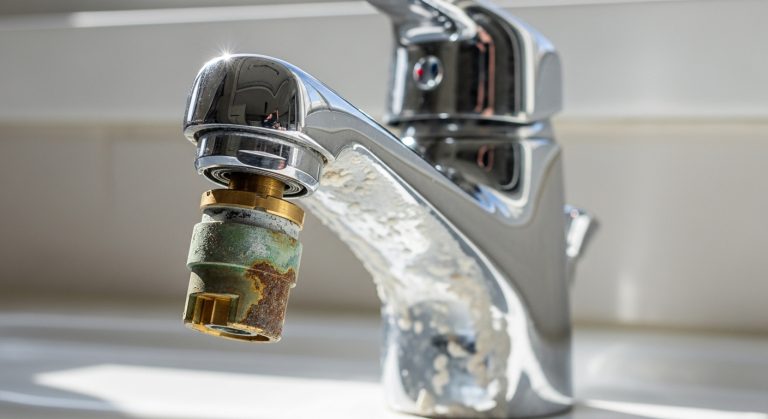
Wipe the trim and showerhead down weekly with a soft cloth and, once a month, clean the showerhead nozzles with white vinegar to dissolve mineral buildup — never use abrasive pads, steel wool, or acidic bathroom cleaners that can dull or etch the brushed finish. Brushed nickel is forgiving, but the coating still deserves gentle care.
The most common brushed-nickel shower complaint isn’t the finish at all — it’s a showerhead that sprays sideways or weakly because of clogged nozzles. Before you assume the finish or the faucet failed, soak the head. The classic fix is tying a bag of vinegar around the head overnight; we tested exactly how well that works in our piece on the shower head Ziploc bag trick, and it saves a lot of people from replacing a perfectly good head. A quick monthly rinse keeps a brushed nickel shower faucet only set spraying evenly and looking sharp for years.
A note on quality, testing, and warranty
Author note: This guide was written by the faucitta fixtures team — plumbing-focused writers who spend their days comparing valve cartridges, finishes, and trim kits, and who install and pressure-test fixtures rather than just reading spec sheets. We’ve fitted brushed nickel shower trims in real hard-water bathrooms and watched how they age.
Why you can trust this: faucitta (faucitta.net) is a dedicated faucet and bathroom-fixtures brand. We focus on one thing — faucets, showers, and tub fixtures — so our recommendations come from hands-on familiarity with how these parts actually behave over years of use, not generic home-improvement filler.
On standards and warranty: When you shop any shower faucet only set, look for valves that meet ASME A112.18.1 / CSA B125.1 and anti-scald compliance with ASSE 1016 — these are the North American standards for shower valve safety and performance. A reputable brushed nickel set should carry at least a limited lifetime warranty on the finish and the valve cartridge; that warranty length is one of the clearest signals of build quality. If a set only offers a one-year warranty, treat it as a short-term fixture, not a forever one.
FAQ
Does “shower faucet only” mean it doesn’t include the showerhead?
Not usually — but always check the listing. “Shower faucet only” most often means “shower-only, no tub spout,” and many sets include the valve, trim, and a showerhead. However, some products labeled “trim only” include just the handle and plate, expecting you to supply the valve and/or head. Read the “what’s in the box” section before ordering so you’re not surprised.
Can I use a brushed nickel trim kit on a valve I already have?
Only if the trim matches your existing valve’s brand and series. Trim kits are engineered for specific valve families, so a random brushed nickel trim won’t fit every valve. Identify the valve you have first; if it’s a common brand, there’s very likely a matching brushed nickel trim you can swap on without opening the wall.
Is brushed nickel the same as stainless or satin nickel?
They’re close cousins but not identical. “Brushed nickel” and “satin nickel” are often used interchangeably for a warm, brushed gray finish. “Brushed stainless” tends to read slightly cooler and more silver. For a coordinated shower, buy the showerhead, arm, and handle from the same product line so the exact tone matches — even within “nickel,” shades vary between makers.
Do I need a plumber to install a shower-only faucet?
For a trim swap on an existing valve, many confident DIYers can do it themselves with basic tools. For a brand-new rough-in that requires soldering or moving supply lines inside a wall, hire a licensed plumber — that work is behind tile and any leak is expensive to fix. When in doubt, do the trim yourself and leave in-wall valve work to a pro.
Will a brushed nickel shower faucet tarnish or rust over time?
A quality brushed nickel finish over a solid brass valve body resists tarnish and corrosion very well and typically won’t rust in a normal shower environment. The main enemies are abrasive scrubbing and harsh acidic cleaners, which dull the finish. Stick to a soft cloth and mild soap, use vinegar only on the showerhead nozzles, and the finish should stay handsome for a decade or more.
What’s the difference between a single-handle and dual-handle shower faucet only set?
A single-handle set controls temperature and flow with one lever and is the modern standard — simpler, easier to use with wet hands, and code-friendly with pressure balancing. A dual- or three-handle set (separate hot, cold, and sometimes diverter) is an older or more traditional layout. For a new brushed nickel shower-only build, single-handle is almost always the better, cleaner choice.