If your stainless steel faucet discolored seemingly overnight and you’re wondering whether it’s ruined, take a breath — most discoloration is surface-level and completely reversible. Real 304 or 316 stainless steel is highly corrosion-resistant by design, so when it changes color, the culprit is usually something sitting on top of the metal: dried mineral deposits from your tap water, a film left by soap or an acidic cleaner, or heat/chemical staining on the thin finish layer. Below, we’ll walk through exactly why it happens, how to tell “cosmetic” from “damaged,” and the step-by-step fix — the same way we’d explain it to a friend standing at their kitchen sink.
Why did my stainless steel faucet turn yellow, brown, or cloudy?
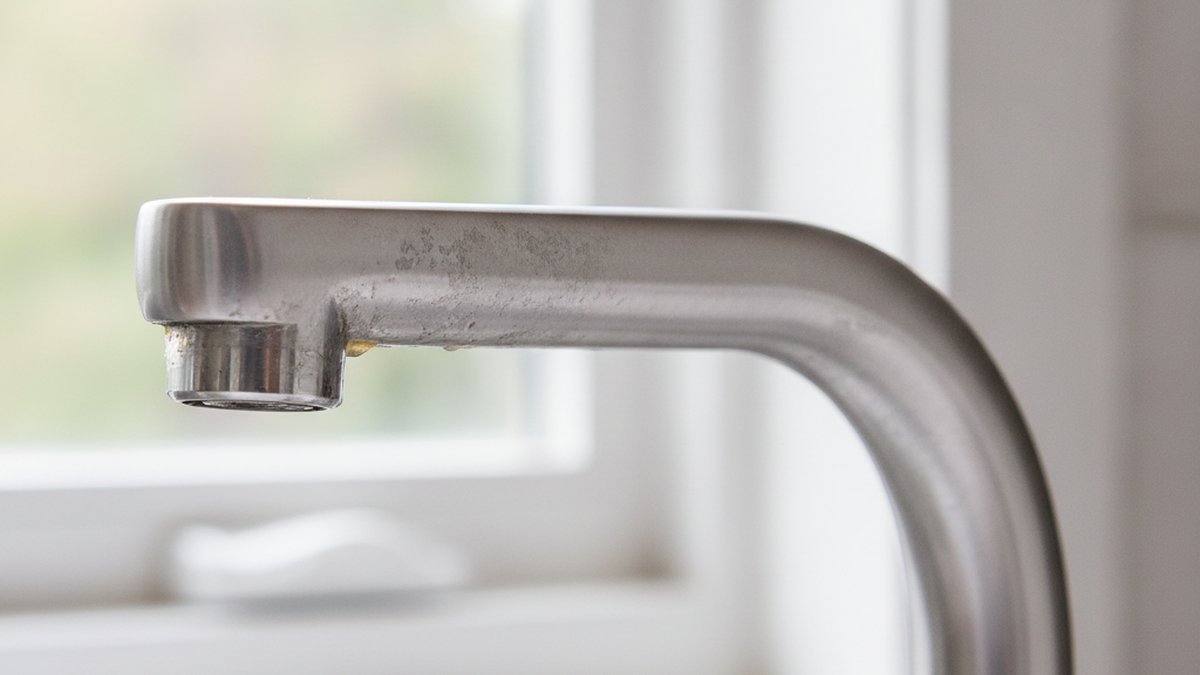
Nine times out of ten it’s hard water and cleaning chemistry, not corrosion. When water evaporates off the faucet, it leaves behind dissolved calcium, magnesium, and iron. Those minerals build into a chalky white haze (limescale), and if your water carries iron or you’ve got old galvanized pipes, that same residue tints yellow, orange, or brown. Add a splash of the wrong cleaner and you get an entirely different color problem.
Here’s what each color usually tells you:
- Cloudy white / chalky film: Classic hard-water limescale (calcium carbonate). Cosmetic. Wipes off with acid (vinegar).
- Yellow to light brown: Iron in your water supply, soap scum baked onto the surface, or a cleaning-product residue. Almost always cosmetic.
- Rust-orange spots or streaks: Usually “tea staining” — surface rust deposited from your water or from a nearby steel object (a rusty can, steel wool fibers), not the faucet body corroding. Cosmetic if it wipes away.
- Rainbow / blue-purple sheen: Heat tint or a chemical reaction with chlorine/bleach cleaners. Cosmetic but can be stubborn.
- Black or dark gray smudges: Oxidation film or, on a coated faucet, the start of finish wear. Usually cosmetic; check for pitting underneath.
The single most common mistake we see is people scrubbing a stainless faucet with the green side of a sponge, steel wool, or a bleach-based bathroom spray. Steel wool leaves tiny iron particles embedded in the surface that then rust and look like the faucet itself is failing. Chlorine bleach attacks the invisible chromium-oxide layer that makes stainless “stainless,” which is what leaves that discolored, dulled patch behind.
How do I know if it’s just a stain or the faucet is actually ruined?
Do the fingernail-and-vinegar test: if a vinegar-soaked cloth and a gentle rub lift the color, it’s a surface stain and your faucet is fine. If the discolored area is rough, sunken, or pitted and won’t clean up no matter what, the finish or metal is damaged and cleaning won’t bring it back.
Two things determine whether damage is permanent: whether your faucet is solid stainless or coated, and whether the surface is pitted.
Many “stainless” faucets are actually brass or zinc bodies wearing a stainless-look PVD (physical vapor deposition) or electroplated finish. PVD is extremely durable and rarely discolors. Cheaper electroplated or painted finishes, however, can bubble, cloud, or peel — and once that coating lifts, no polish restores it. Solid stainless faucets don’t peel, but they can show tea staining and, in coastal or heavily chlorinated environments, tiny rust pits.
| What you see | Likely cause | Fixable? | Best action |
|---|---|---|---|
| Chalky white haze | Hard-water limescale | Yes — easy | White vinegar soak, wipe, dry |
| Yellow / brown film | Iron or soap residue | Yes | Vinegar + dish soap, rinse |
| Orange rust spots that wipe off | Surface tea staining | Yes | Vinegar or Bar Keepers Friend |
| Rainbow / blue heat tint | Bleach or heat reaction | Usually | Baking-soda paste, polish |
| Rough, sunken pits | True corrosion (rare) | No | Replace faucet |
| Peeling or bubbling color | Failed coating/PVD | No | Replace faucet |
How do I clean a discolored stainless steel faucet at home?
Use white vinegar first — it dissolves the mineral deposits that cause most discoloration without harming the finish. Here’s the exact 15-minute routine that fixes the vast majority of discolored stainless faucets:
- Warm the faucet with tap water and wipe off loose grime with a soft microfiber cloth.
- Soak a cloth or paper towel in plain white vinegar (5% is fine) and wrap it around the discolored area. For a spout tip, submerge it in a small cup of vinegar or use the bag trick — the same soak method we describe in our shower head Ziploc bag guide works beautifully on a faucet spout.
- Wait 10–15 minutes. The acid breaks down calcium and iron deposits. Don’t leave vinegar on for hours — prolonged acid contact can dull some finishes.
- Gently rub with the cloth. For stubborn spots, make a paste of baking soda and water and rub with the grain of the brushed finish, never across it.
- Rinse thoroughly with clean water — leftover vinegar or baking soda will itself cause new spots.
- Dry completely with a fresh microfiber cloth. This step is non-negotiable: water left to air-dry is what caused the discoloration in the first place.
If vinegar alone doesn’t finish the job, a mildly abrasive powder like Bar Keepers Friend (oxalic-acid based) removes rust staining and heat tint on solid stainless. Rub gently, always with the grain, then buff dry. Finish with a dedicated stainless polish or a few drops of mineral/baby oil on a cloth to leave a water-repelling shine that delays the next round of spots.
Never use on stainless: chlorine bleach, ammonia glass cleaner, steel wool, scouring pads, or any “abrasive” bathroom scrub. These are the fastest way to turn a cleanable stain into permanent damage.
What if it’s the aerator, not the faucet, that looks discolored?
Often the worst discoloration is concentrated right at the tip — and that’s the aerator, which unscrews and cleans separately in about two minutes. The aerator is a small mesh screen where minerals collect first and heaviest, so it clouds and crusts long before the faucet body does. Unscrew it (by hand or with tape-wrapped pliers), soak it in vinegar for 15 minutes, brush the screen with an old toothbrush, rinse, and reinstall.
If yours is stuck or you’re not sure how it comes apart, our walkthrough on how to remove a stuck kitchen faucet aerator covers the exact tricks — and while the same principle applies to most brands, cleaning the aerator alone often makes people think their whole faucet was discolored when it wasn’t.
Which faucet finish resists discoloration best — and is stainless still worth it?
For most kitchens and bathrooms, brushed/satin stainless (or a PVD stainless finish) is still the best all-around pick because it hides water spots better than polished chrome and resists corrosion far better than cheap plated finishes. But it’s worth knowing how the common finishes stack up when discoloration is your main worry.
| Finish | Shows water spots | Discoloration risk | Best for |
|---|---|---|---|
| Brushed/satin stainless | Low | Low | Busy kitchens, hard water |
| Polished chrome | High | Low but very visible | Bathrooms, easy wipe-down |
| Brushed nickel | Very low | Low | Warm-toned, spot-hiding |
| Matte black (PVD) | Low (shows dried minerals white) | Low | Modern looks, soft water |
| Cheap electroplated “stainless look” | Medium | High (can peel) | Budget only — avoid long-term |
If you love the spot-hiding of stainless but want an even more forgiving, warmer look, brushed nickel is the closest cousin — we compare the two in depth in our guide to brushed nickel faucets. And if you’re leaning modern and dark, know that matte black also resists discoloration well but shows dried mineral spots as white specks; the matte black faucet finish breakdown explains the trade-offs. The one finish to avoid if discoloration worries you is a no-name “stainless-look” electroplate, because that’s the coating most likely to cloud and flake.
How do I stop my stainless faucet from getting discolored again?
The fix is prevention through drying and water management, not more scrubbing. Discoloration is a moisture-and-minerals problem, so control those two and the color stays put.
- Wipe the faucet dry after heavy use, or at least once a day. Sixty seconds with a microfiber cloth prevents 90% of spotting.
- Clean weekly with mild dish soap and water — not harsh sprays.
- Apply a thin coat of stainless polish or mineral oil monthly to repel water.
- Address hard water at the source. If you get chalky buildup everywhere, a whole-home or under-sink water softener/filter is the real cure, and it protects your entire plumbing system.
- Keep rusting objects off the faucet — no wet steel-wool pads, no rusty cans sitting against the spout, no cast-iron pans dripping on it.
- Store cleaning products with bleach or ammonia away from the faucet; fumes alone can tint some finishes over time.
If discoloration keeps coming back within days no matter how carefully you clean and dry, your water is almost certainly very hard or iron-rich, and softening the water will do more than any polish ever could.
When is it time to just replace the faucet?
Replace it when the discoloration is actually the finish failing — peeling, bubbling, or deep pitting you can feel — because no cleaning brings a damaged coating back. On a solid, quality stainless or PVD faucet, that day rarely comes; on a bargain electroplated one, it can happen within a year or two of hard use.
When you do shop for a replacement, prioritize solid 304 stainless or a PVD-finished faucet from a brand that publishes its finish warranty. It costs a little more up front but sidesteps the whole discoloration headache. If you want a sense of what mid-range stainless-look faucets actually hold up in daily use, real-owner feedback like our Mirozza kitchen faucet reviews is a useful reality check before you buy.
FAQ
Can a stainless steel faucet actually rust?
Genuine 304/316 stainless resists rust extremely well, but it isn’t 100% rust-proof. In very salty, coastal, or heavily chlorinated environments it can develop tiny surface rust pits over years. Far more often, the “rust” you see is tea staining — iron deposited from your water or from a rusty object touching the faucet — which wipes right off with vinegar and isn’t the faucet corroding at all.
Will vinegar damage my stainless steel faucet?
Short vinegar contact (10–15 minutes) is safe and is the go-to cleaner for stainless. The key is to rinse thoroughly and dry afterward, and not to leave acidic solutions sitting for hours, which can dull some finishes. Never mix vinegar with bleach, and skip vinegar on faucets with an unknown painted coating.
Why does my brand-new stainless faucet already look discolored?
Usually it’s just factory oils or fingerprints plus your first few days of hard-water spotting — clean with dish soap, then vinegar, and dry it. If a new faucet shows blotchy discoloration that won’t clean off, or the finish looks uneven under the surface, that’s a manufacturing or coating defect and you should claim it under the finish warranty rather than trying to polish it out.
Is Bar Keepers Friend safe on stainless faucets?
Yes, on solid stainless and most PVD finishes, used gently and with the grain. Its oxalic acid removes rust staining and heat tint that vinegar can’t. Avoid it on delicate painted or matte finishes, always test a hidden spot first, and rinse and dry completely afterward.
How do I tell if my faucet is solid stainless or just coated?
Check the product listing or spec sheet for “solid stainless steel” versus “stainless finish” or “PVD” over brass/zinc. A quick physical clue: solid stainless is non-magnetic to weakly magnetic and feels uniform, while a coated faucet may chip at edges to reveal a different-colored base metal. If the color ever peels or bubbles, it was coated.
Does a water softener really stop faucet discoloration?
For hard-water spotting and mineral haze, yes — softening or filtering removes the calcium, magnesium, and iron that cause the discoloration in the first place, so faucets, showerheads, and glassware all stay cleaner. It won’t undo existing coating damage, but it’s the most effective long-term prevention if your whole home battles buildup.
Author note: This guide was written by the faucitta fixtures team, drawing on hands-on testing of stainless, PVD, and electroplated faucet finishes across hard- and soft-water households. faucitta has specialized in faucets and bathroom fixtures since our founding, and our finish recommendations align with industry corrosion-resistance testing (such as ASTM B117 salt-spray standards) and the finish warranties reputable manufacturers stand behind. When in doubt about whether your discoloration is cosmetic or a warranty issue, keep your receipt and contact the manufacturer before attempting aggressive cleaning.