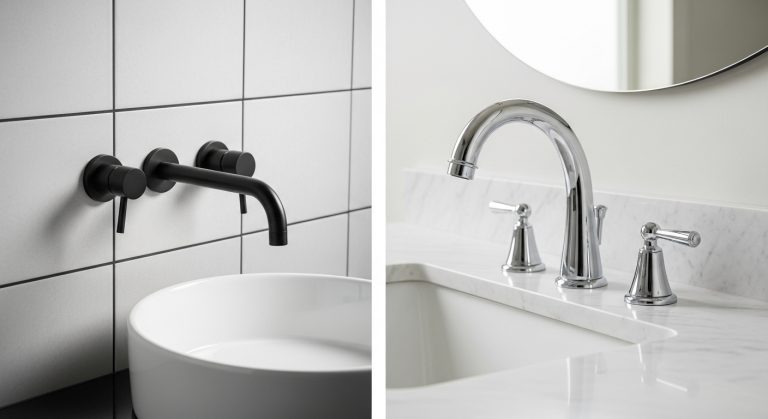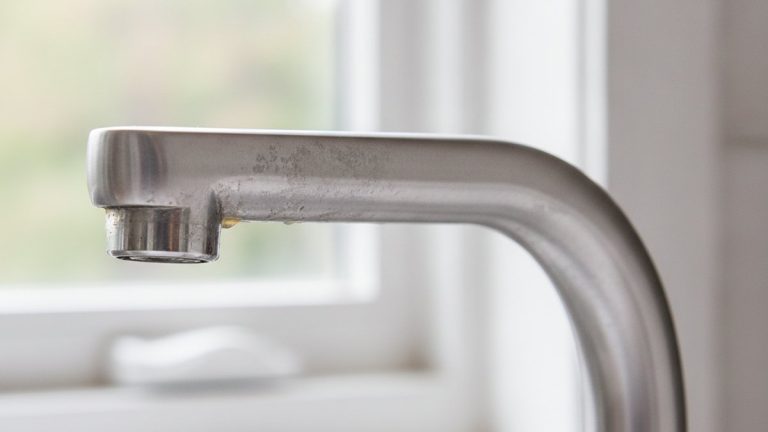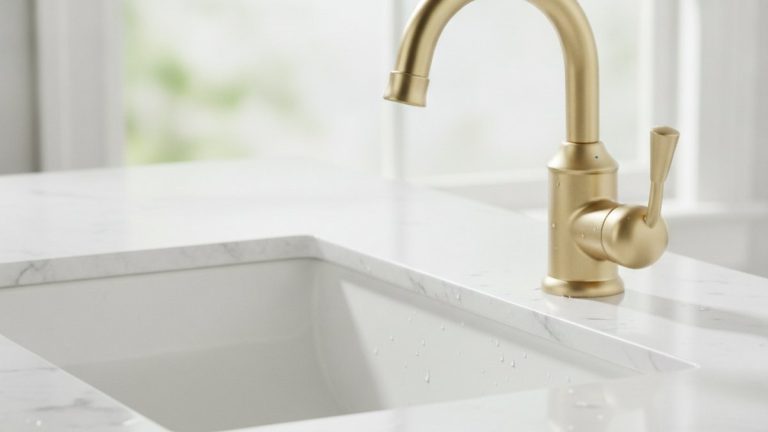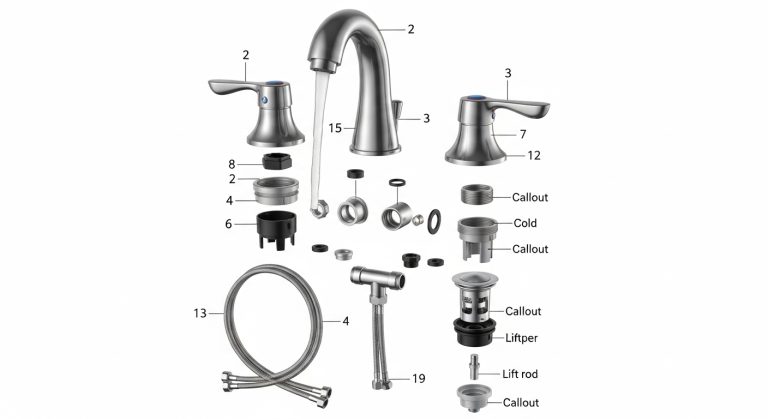
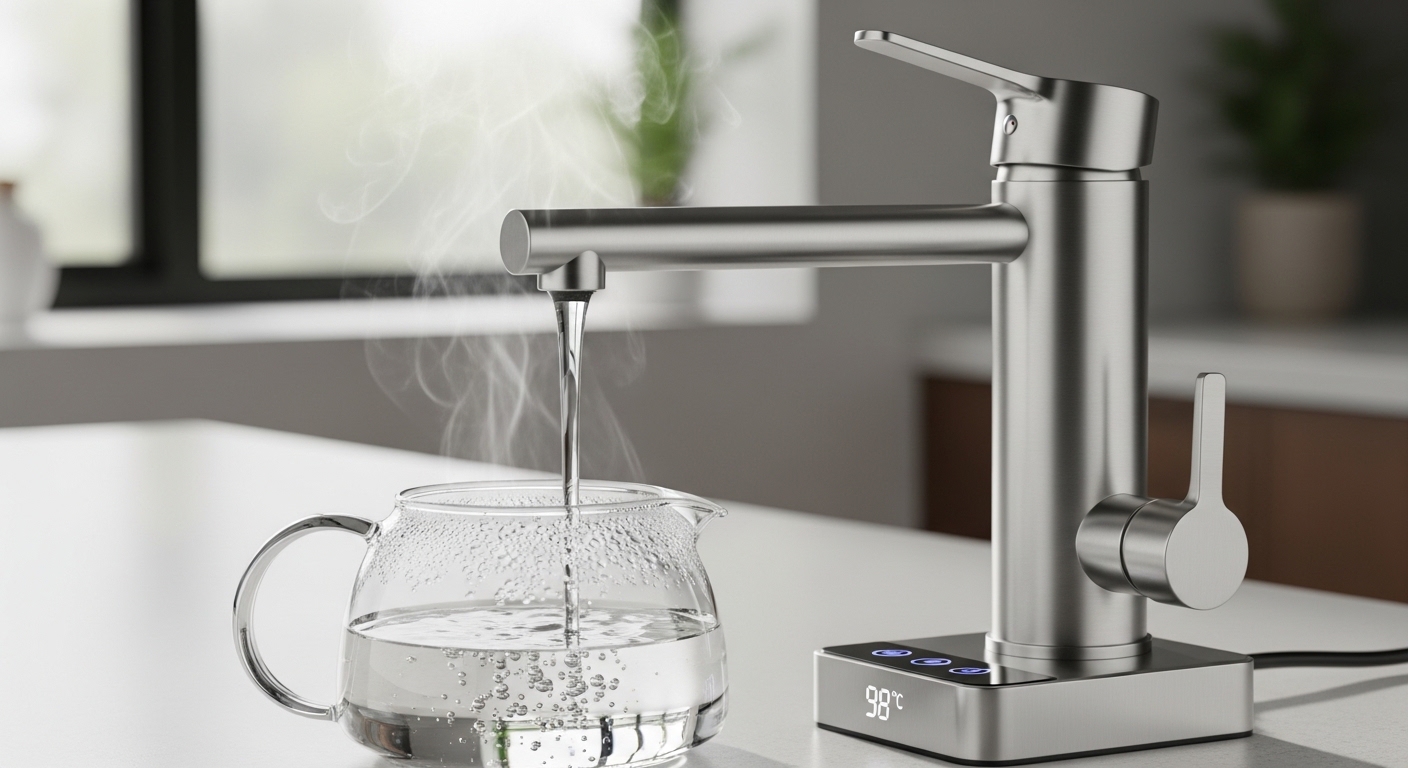
A stainless steel electric hot water faucet is a countertop or deck-mounted tap with a built-in heating element that delivers hot or near-boiling water instantly, so you skip the kettle entirely. Unlike a standard mixer faucet that just routes water from your home’s water heater, this fixture heats the water itself — right at the spout — and the stainless steel body handles the heat, resists corrosion, and stays food-safe. If you make tea, pour-over coffee, instant noodles, or baby formula multiple times a day, it turns a two-minute wait into a two-second pour.
But “worth it” depends on your setup, your budget, and which type you buy. Below I’ll answer the real questions people ask before buying one — wattage, safety, installation, stainless grades, and whether the cheap models on marketplaces are a false economy — so you can pick the right one the first time.
What exactly is a stainless steel electric hot water faucet, and how is it different from a regular hot tap?
It’s a faucet with its own electric heating element and a temperature control, wrapped in a stainless steel body — so it produces hot water on its own instead of pulling it from your water heater. A regular hot tap is just a valve; the “hot” comes from a tank or tankless heater somewhere in your house, and the water sits in pipes cooling down between uses. An electric hot water faucet heats a small volume of water at the point of use, on demand, and can push it to 200–212°F (93–100°C) — hot enough for tea and blanching, which a standard tap can never reach.
There are two broad designs. Instant/tankless models heat water as it flows, using a fast element (usually 2000–3000W), so there’s no reservoir to run dry but they demand a strong electrical circuit. Small-reservoir models keep a cup or two of pre-heated water ready, sip less peak power, and are common in plug-in countertop units. Both wear a stainless shell because stainless handles repeated thermal cycling, won’t rust from constant moisture, and won’t leach flavor or metal into drinking water the way some coated pot metals can.
This is a genuinely different product from a normal kitchen faucet, so don’t confuse it with a standard mixer. If you’re still shopping your everyday tap, our guide on what makes a kitchen faucet unique and how to pick one that fits your kitchen covers spout height, reach, and finish — all of which still matter when an instant-hot tap sits next to your main faucet.
Why choose stainless steel specifically — does the material actually matter for a hot water faucet?
Yes, the material matters a lot when boiling-hot water runs through the faucet all day. Stainless steel resists corrosion, tolerates repeated heating and cooling without warping, and — critically — is food-grade and lead-free when it’s the right alloy. Cheaper hot taps use zinc alloy or brass with a thin chrome coating; under constant heat and mineral-heavy water, those coatings can pit, discolor, and eventually leach.
Not all “stainless” is equal, though. Here’s what the grade stamped on the box actually means for you:
| Stainless grade | Corrosion resistance | Best for | What to watch |
|---|---|---|---|
| SUS 304 (18/8) | Excellent | Most homes; drinking water; hard water areas | The safe default — insist on it |
| SUS 316 (marine) | Superior | Coastal homes, very high chloride/salty water | Costs more; usually overkill inland |
| SUS 201 | Fair | Budget units, low-use | Higher manganese, can spot-rust over time |
| Chromed zinc/brass (not true stainless) | Poor–moderate | Cosmetic short-term use | Coating can flake under heat — avoid for hot water |
My rule: for a hot water faucet you touch and drink from every day, buy 304 stainless minimum. It’s the same grade used in quality cookware and sinks, it won’t rust in a humid kitchen, and it keeps the water tasting clean. A brushed or satin stainless finish also hides fingerprints and water spots far better than polished chrome — a real quality-of-life win around a spout that gets touched with wet hands constantly.
How many watts do I need, and will it trip my breaker?
For genuinely instant near-boiling water you want a 3000W tankless-style unit on a dedicated circuit; for a slower-but-simpler plug-in countertop model, 1500–2200W on a standard outlet is enough. The wattage decides two things: how fast the water gets hot, and what electrical work you need. This is the single most common reason people are disappointed after buying — they wanted instant boiling water but bought a low-wattage plug-in unit that only manages a warm trickle.
Here’s how to match wattage to your situation:
- Plug-in countertop, 1500–2200W: Runs on a normal 120V outlet, no electrician needed. Great for offices, rentals, and dorms. Expect warm-to-hot fast, near-boiling more slowly, usually with a small reservoir.
- Hardwired instant, 3000W+: Needs a dedicated circuit (often 240V or a heavy 120V line). This is the one that delivers true 200°F+ water on demand with strong flow. Best for serious kitchen use — but budget for an electrician if you don’t already have the circuit.
- Hard-water homes: Higher wattage plus a scale filter, because mineral buildup on the element slowly kills heating speed. If you’re on hard water, our breakdown of the best faucet choices for hard water explains why scale is the number-one enemy of any heated fixture and how filtration extends its life.
Practical check before you buy: look at your outlet and panel. If you only have a standard shared kitchen outlet, a 3000W hardwired unit will trip the breaker — go with a right-sized plug-in model or get the circuit added first.
Is an electric hot water faucet safe, especially with kids around?
It’s safe when it has a child-lock and proper certification, but near-boiling water at spout height is a real burn risk, so safety features aren’t optional. A good stainless steel electric hot water faucet should have at least three protections: a safety/child lock button you press before dispensing hot water, an insulated or dual-wall spout so the outside stays touchable, and auto shut-off that cuts the element if it runs dry or overheats.
Look for these on the spec sheet and the box:
- UL, ETL, or CSA listing — independent electrical safety testing. Do not buy an unlisted heated water appliance; this is where cheap import units cut corners.
- Lead-free / NSF-style compliance for anything touching drinking water (in the U.S., “lead-free” faucets meet the federal 0.25% weighted-average lead limit).
- Anti-scald temperature limit or a lock at the top of the temperature range so a child can’t dial it to full boil.
- GFCI protection on the outlet or built into the plug — mandatory near a sink.
With those in place, an electric hot water faucet is arguably safer than carrying a full kettle of boiling water across a kitchen. The stainless body itself doesn’t make it safe — the certifications and the lock do. If a listing doesn’t clearly state UL/ETL/CSA, treat that as a red flag.
Instant hot water faucet vs. an electric kettle vs. an under-sink tank — which should you actually buy?
Buy the electric hot water faucet if you want speed and counter space back; buy a kettle if you rarely need hot water or move often; choose an under-sink tank system if you want the cleanest look and highest flow and don’t mind installation. Each solves the “I need hot water now” problem differently.
| Option | Speed to hot | Typical cost | Best for | Downside |
|---|---|---|---|---|
| Electric hot water faucet (stainless) | Seconds (instant) to ~1 min (plug-in) | $80–$350 | Daily tea/coffee, small kitchens, offices | Needs power at the sink |
| Electric kettle | 2–4 minutes | $20–$120 | Occasional use, renters, travel | Takes counter space, manual refill |
| Under-sink instant-hot tank + dispenser | Instant, high volume | $250–$700 installed | High-use kitchens wanting a clean spout | Pricey; plumbing + electrical install |
For most people the countertop or deck-mount stainless faucet is the sweet spot: cheaper than an under-sink system, faster than a kettle, and it frees up the counter. If you’re deciding between an all-in-one “does everything” main faucet and a dedicated hot-water tap, it helps to understand flow expectations first — our explainer on the flow rate of standard kitchen faucets and how much GPM you actually need is useful context, because instant-hot faucets deliberately run a lower, gentler flow so the element can keep up with the heat demand.
How do you install a stainless steel electric hot water faucet?
Most plug-in countertop models install in under 30 minutes with no plumber — you connect the water line, mount the faucet, and plug it into a GFCI outlet. Hardwired instant units are more involved and often warrant a pro. Here’s the typical process for a standard deck-mount or countertop unit:
- Turn off the water at the supply valve under the sink and relieve pressure by opening a tap.
- Mount the faucet in an existing sink hole or a drilled countertop hole (check the base diameter — most need a 1.25″–1.5″ hole).
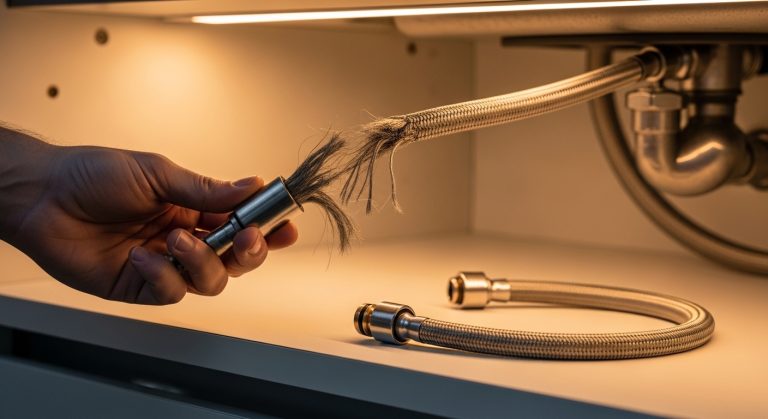
- Connect the cold water supply with the included braided line and, ideally, an inline sediment/scale filter to protect the element.
- Handle the electrical: plug-in models go straight to a GFCI outlet; hardwired models must be connected to a dedicated circuit by a licensed electrician.
- Prime the unit — run cold water through it fully before switching on the heater, so the element is never energized dry (running dry is the fastest way to void the warranty).
- Set the temperature and test, then engage the child lock.
One installation note people miss: the supply line length matters. Too short and you fight the connection; excessively long adds pressure loss. If you’re routing new lines, our guide on whether faucet supply lines can be too long covers the trade-offs so your instant-hot unit gets clean, adequate pressure.
What does a good stainless steel electric hot water faucet cost, and where’s the sweet spot?
The value sweet spot is $120–$220: enough to get a genuine 304-stainless body, a real thermostat with a digital readout, a safety lock, and UL/ETL certification, without paying luxury-brand markup. Below $80 you’re usually looking at 201-grade or chromed-zinc units with vague safety claims; above $350 you’re paying for design brands and under-sink systems.
Here’s roughly what each tier gets you:
- Under $80: Thin stainless or coated zinc, basic on/off, limited temperature control. Fine for light, occasional use — but read reviews for rust and element failure.
- $120–$220 (recommended): True 304 stainless, adjustable digital thermostat, child lock, certified electrical, decent warranty. This is where most buyers should shop.
- $250–$350+: Premium brands, sleeker industrial design, higher flow, sometimes filtration built in. Worth it if it’s a heavy-use kitchen or a showpiece.
When you compare models, weigh the maker’s reputation and warranty support, not just the price. If you like to buy by brand track record, our roundup of the best kitchen faucet brands and how to actually choose lays out how to judge build quality and after-sales service — the same logic applies to a heated fixture, where a responsive warranty matters even more because there’s an electrical component that can fail.
Where does an electric hot water faucet make the most sense?
It shines anywhere people want hot water repeatedly but not in huge volume: kitchens, coffee and tea stations, office break rooms, laundry rooms, and small apartments. In a compact kitchen it removes the kettle from the counter. In an office it gives everyone instant tea and instant-soup water without a communal kettle. In a utility or laundry space, warm water on demand is handy for hand-washing and cleaning — if you’re outfitting that room, our best laundry tap ideas pair well with adding a compact hot-water tap for pre-treating stains.
Where it makes less sense: if you need large volumes of hot water fast (filling big pots repeatedly), a tank-based or dedicated pot-filler setup is better, since instant faucets throttle flow to keep the water hot. And if you rarely drink hot beverages, a $25 kettle is the smarter spend.
FAQ
How hot does a stainless steel electric hot water faucet get?
Most adjustable models reach 40–100°C (104–212°F). Instant/tankless 3000W units hit true near-boiling (95–100°C) for tea and blanching; smaller plug-in units often top out around 85–95°C, which is still hot enough for coffee and most cooking prep. Look for a model with a digital temperature setting rather than just “warm/hot.”
Does the stainless steel body get too hot to touch?
Quality units use an insulated or dual-wall spout so the outer body stays touchable even when dispensing near-boiling water. Cheaper single-wall units can get uncomfortably warm near the spout tip. If the product photos or specs mention “cool-touch” or “double-wall insulation,” that’s the one to buy — especially with kids around.
Do I need a plumber or electrician to install one?
A plug-in countertop model needs no professional — you connect a cold water line and plug into a GFCI outlet in about 20–30 minutes. A hardwired 3000W instant unit should be wired by a licensed electrician on a dedicated circuit. Always run cold water through the unit before powering the heater so the element never runs dry.
Is the water safe to drink from an electric hot water faucet?
Yes, if the faucet is 304 or 316 stainless and certified lead-free. Stainless is food-grade and won’t leach into your water. Add an inline filter if you’re on hard or heavily chlorinated water — it protects the heating element from scale and improves taste. Avoid coated-zinc “stainless-look” units for drinking water.
How do I stop mineral scale from ruining the heater?
Install an inline scale/sediment filter on the cold supply and descale the unit every 1–3 months in hard-water areas using a food-safe descaler or diluted white vinegar cycle. Scale is the leading cause of slow heating and premature element failure, so a $15 filter genuinely extends the faucet’s life by years.
What warranty should I expect?
Reputable stainless electric hot water faucets come with a 1–3 year warranty covering the heating element and body, and better brands offer responsive parts support. Register the product, keep your receipt, and confirm the warranty covers the electrical element specifically — that’s the part most likely to need service.
The bottom line
A stainless steel electric hot water faucet is a genuine upgrade for anyone who reaches for hot water several times a day. Buy 304 stainless, match the wattage to your electrical setup, insist on UL/ETL certification and a child lock, and budget in the $120–$220 sweet spot for the best long-term value. Do that, and you’ll wonder how you ever waited on a kettle.
Author note: This guide was written by the faucitta fixtures team, who spec, pressure-test, and install kitchen and bath faucets for a living. About faucitta: we’re a dedicated faucet and bathroom-fixture brand at faucitta.net, and our recommendations reference recognized standards — UL/ETL/CSA electrical listing, federal lead-free requirements, and manufacturer warranty terms — rather than marketing claims. We only suggest features we’d install in our own kitchens.