If you’ve been standing in the plumbing aisle wondering whether a handheld shower head mitre 10 option is genuinely worth your money — or if you’re comparing one against the pricier stuff online — the honest answer is that for the vast majority of showers, a mid-range handheld from a hardware chain does everything you actually need. You get adjustable spray patterns, an easier way to rinse tiles, kids, and pets, and a real reduction in water use if you pick the right flow rating. The trick is knowing which model matches your plumbing and which spec numbers actually matter. Let’s walk through it the way a knowledgeable mate in the trade would.
What exactly is a handheld shower head, and how is it different from a fixed one?
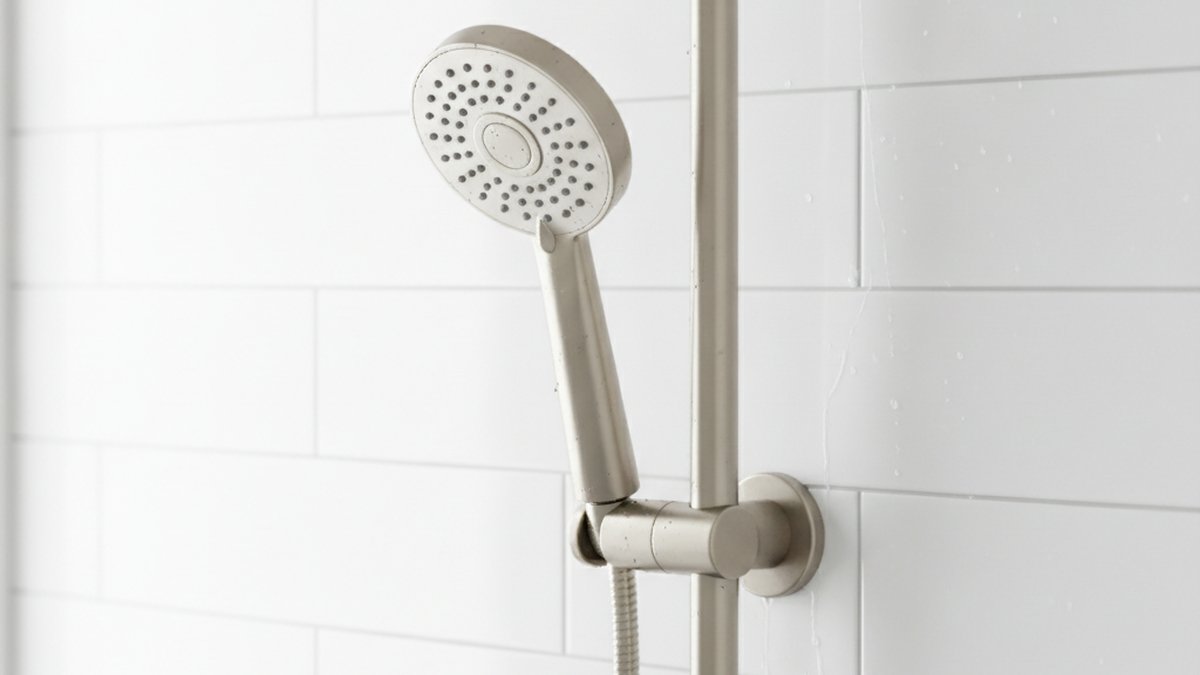
A handheld shower head is a detachable spray handset connected to your wall outlet by a flexible hose, so you can lift it off its bracket and aim the water wherever you want. A fixed shower head, by contrast, is bolted to the wall arm and only sprays from one spot. That single difference — the hose and the removable handset — is what makes handhelds so much more practical for everyday life.
Practically, that means you can rinse shampoo out of long hair without doing a full body twist, wash a dog in the tub, clean the shower walls without soaking your arm, and help kids or older family members shower while seated. Most handheld kits sold at Mitre 10 come as one of three configurations:
- Rail kit (slide rail): the handset clips onto a vertical rail so you can adjust the height and angle. Best for shared bathrooms where people are different heights.
- Wall-bracket kit: a simple fixed cradle holds the handset at one height. Cheaper and quicker to install, fine for a single-user shower.
- Twin/combo (rail + overhead): a fixed rain head up top plus a handheld on the rail, usually with a diverter to switch between them. The premium option.
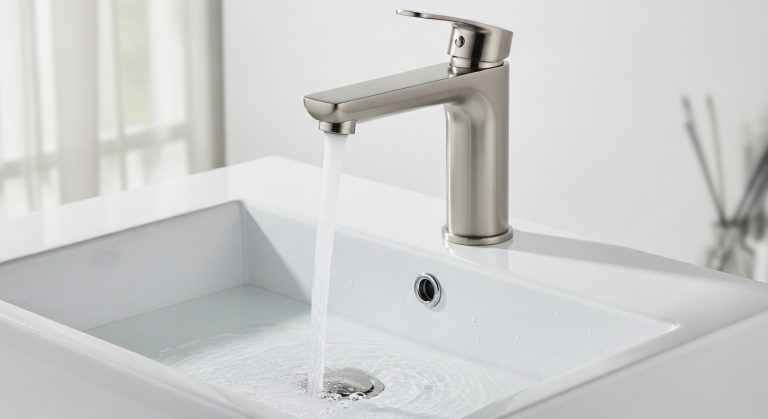
If you’re weighing a handheld against sticking with a wall-mounted fixture only, it’s the same decision people face with a brushed nickel shower faucet only set — a fixed setup looks cleaner and costs less, but you lose the flexibility that makes cleaning and family bathing so much easier.
How much does a handheld shower head cost at Mitre 10, and what am I paying for?
Expect roughly AU$25 to AU$120 for a handheld shower head at Mitre 10, with the sweet spot for most homes sitting around AU$45–$80. The price climbs with build quality (chromed brass fittings versus plastic), the number of spray modes, the finish, and whether you’re getting a full rail kit versus a bare handset.
Here’s what that money actually buys you as you move up the range:
| Price band (AU$) | What you typically get | Best for |
|---|---|---|
| $25–$45 | Plastic handset, 1–3 spray modes, basic wall bracket, PVC or lightweight hose | Rentals, laundry tubs, quick replacements |
| $45–$80 | ABS handset with chrome finish, 3–5 spray modes, stainless hose, slide rail, WELS-rated flow | Most family bathrooms — the value pick |
| $80–$120 | Metal or premium-finish handset, anti-clog silicone nozzles, twin rail systems, better diverters | Renovations, brushed/black finishes, long-term homes |
The single biggest quality tell is the handset material and the nozzles. Cheap units use hard plastic jets that clog with limescale within a year; better ones use flexible silicone “rub-clean” nozzles you can wipe with a thumb to break off mineral buildup. If your area has hard water, that feature alone is worth the extra AU$20 — otherwise you’ll be reaching for the vinegar-bag descaling trick every few months just to keep the flow even.
What spray modes and flow rate do I actually need?
For everyday use, three spray modes cover 95% of what people want: a full rain/spray for normal showering, a strong massage/jet for sore muscles, and a soft “rinse” or aerated mode for washing hair or kids. Anything beyond five modes is mostly marketing — you’ll settle on two favourites within a week.
Flow rate matters more than mode count, and in Australia it’s regulated. Every shower head sold must carry a WELS (Water Efficiency Labelling and Standards) rating. Here’s how the star ratings map to real numbers:
- 3-star WELS (≈7.5 L/min): the efficiency standard — noticeably lower water and gas/electric hot-water bills, still a comfortable shower.
- 2-star (≈9 L/min): a middle ground; feels a touch stronger, uses more water.
- 1-star or unrated (12+ L/min): a drenching, high-flow feel, but expensive to run and often non-compliant for new installs.
My honest recommendation: get a 3-star handheld unless you have genuinely low household water pressure. A well-designed 7.5 L/min head uses air injection to keep the spray feeling full while using nearly 40% less water than an old unrestricted head. Over a year of daily showers, that’s a real dent in your hot-water bill — the part most people forget is that saving water also saves the energy used to heat it.
What if my water pressure is low?
If your shower already dribbles, avoid heavily aerated 3-star heads and look for a model specifically labelled for low-pressure or “all-pressure” systems, which use larger nozzle openings to preserve feel. Gravity-fed systems (common in older homes with a roof tank) especially benefit from a handset designed for low pressure. If a new head doesn’t fix it, the problem is likely upstream — a clogged inlet screen, a partly closed isolation valve, or a failing mixer — the same diagnostic path you’d follow when troubleshooting a faucet with sudden low water pressure.
Will a Mitre 10 handheld shower head fit my existing shower?
In almost all cases, yes — Australian and New Zealand shower fittings use a standard ½-inch BSP thread, so a handheld hose screws straight onto the same wall outlet a fixed head came off. The main thing to check is what you’re connecting to: a wall-mounted “gooseneck” outlet, a bottom-outlet mixer, or an existing rail bracket.
Before you buy, confirm these three things:
- Your outlet type. If you have a standard wall arm or a shower mixer with a bottom outlet, a hose-and-handset kit connects directly. If you have a combined bath/shower spout, you may need a diverter.
- Thread size. Standard is ½-inch BSP. Handheld kits and hoses at Mitre 10 are sold to this standard, so mismatches are rare, but odd imported fittings exist — take a photo of your outlet to the store.
- Rail spacing (if replacing a rail kit). Existing screw holes may not line up with a new rail. Look for kits with adjustable brackets or be prepared to drill and plug new holes.
Do I need a plumber to install it?
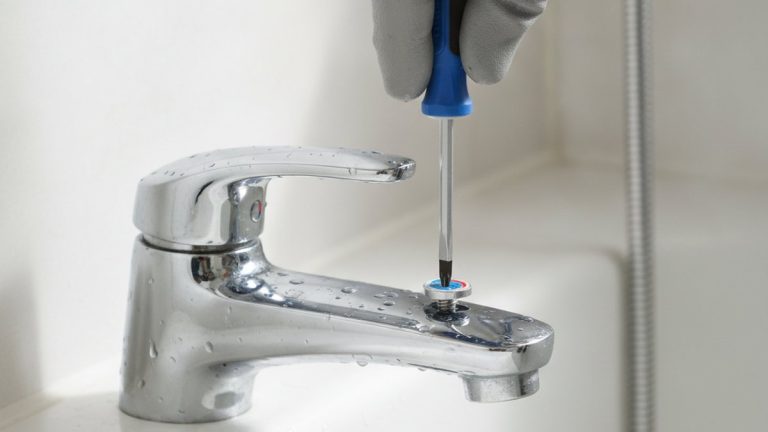
For a straight swap — unscrewing an old handset or head and screwing on a new hose and handset — no, this is a genuine DIY job that takes about 15–20 minutes with nothing but your hands, some thread tape (plumber’s tape), and maybe a shifter. Wrap the thread tape clockwise around the outlet thread three or four times, hand-tighten the hose, then give it a gentle nudge with the spanner and test for drips.
You do want a licensed plumber if the job involves opening the wall, changing the mixer valve, or altering pipework behind the tiles — in most of Australia that behind-the-wall work is legally plumber-only. Fitting a new in-wall valve is a different beast entirely; if that’s what you’re facing, read up on how to install a shower handle valve before deciding whether it’s still a DIY project or a call to the pros.
Handheld vs. fixed vs. twin rail: which style suits my bathroom?
Choose a handheld-on-a-rail if you share the bathroom or clean it often; a plain fixed head if you want the cheapest, lowest-maintenance option; and a twin rail combo if you’re renovating and want a bit of luxury. Here’s the quick comparison:
| Type | Flexibility | Typical price (AU$) | Maintenance | Best fit |
|---|---|---|---|---|
| Fixed wall head | Low | $20–$70 | Low | Single-user, minimalist look |
| Handheld on rail | High | $45–$100 | Medium (hose can perish) | Families, cleaning, accessibility |
| Twin rail (rain + handheld) | Highest | $120–$300+ | Medium | Renovations, main bathroom |
One thing people underestimate: the hose is the part most likely to fail on a handheld, usually after 3–5 years as the inner lining perishes or the outer braiding kinks. The good news is a replacement hose is a cheap, universal part (again, ½-inch BSP) you can swap in two minutes — so a perished hose is never a reason to bin the whole unit.
What finish should I choose, and will it match my other fittings?
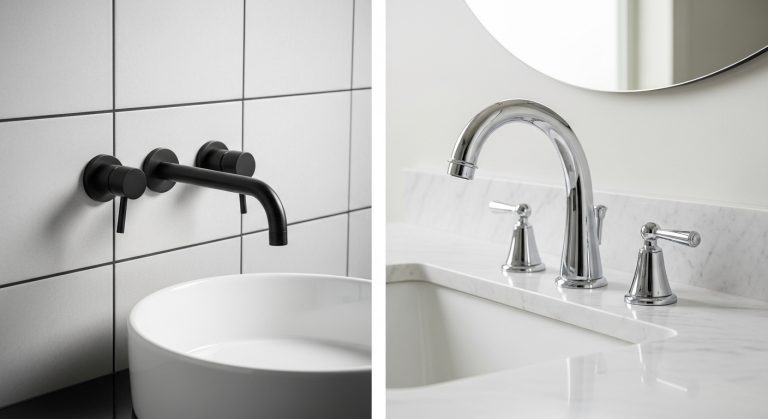
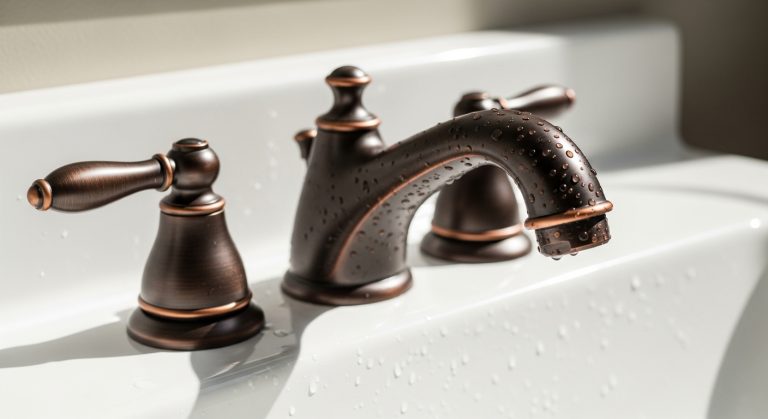
Match the shower head finish to your existing tapware, not to the tiles. Chrome is the safe, cheapest, most widely stocked choice and hides water spots well; brushed nickel and matte black look more modern but show limescale and fingerprints faster and cost more. If your basin taps and towel rails are already a certain finish, buy the same for the shower — mixed finishes in one bathroom rarely look intentional.
A quick reality check on the trendy finishes: matte black looks fantastic in the showroom but shows dried mineral spots badly in hard-water areas, so you’ll be wiping it after most showers to keep it looking sharp. Brushed nickel is more forgiving and pairs beautifully with a warm, modern palette — the same reasoning that makes a brushed nickel faucet a smart pick for a modern bathroom applies to your shower rail. Whatever you pick, buy the rail, handset, and hose as a matched kit so the finish tones actually line up.
How do I keep a handheld shower head working well?
The number one enemy is limescale, so descale the handset every 2–3 months in hard-water areas and rub the silicone nozzles clean whenever the spray starts spitting sideways. Beyond that, maintenance is minimal.
- Descale: unscrew the handset, soak it face-down in a 50/50 white vinegar and water solution for an hour, then flush. Or bag the vinegar around the head in place.
- Clean the inlet filter: most handsets have a small mesh washer where the hose connects — grit collects there and chokes flow. Pop it out and rinse it.
- Check the hose annually: look for kinks, bulges, or green corrosion at the fittings, and replace at the first sign of a leak.
- Don’t overtighten: hand-tight plus a gentle nudge is enough; cranking on fittings splits washers and cracks plastic threads.
The bottom line: is a handheld shower head from Mitre 10 worth it?
For most homes, yes. A mid-range WELS 3-star handheld kit in the AU$45–$80 band gives you real everyday flexibility, lower water and energy bills, and a simple DIY install — and if the hose ever fails, it’s a cheap universal fix rather than a full replacement. Spend up for silicone nozzles if you have hard water, match the finish to your existing tapware, and confirm your outlet type before you buy. Do that, and you’ll get years of reliable use out of a fitting that costs less than a single plumber call-out.
FAQ
Can I replace a fixed shower head with a handheld one myself?
Yes. If you’re swapping onto an existing wall outlet, it’s a 15–20 minute DIY job: unscrew the old head, wrap thread tape clockwise around the ½-inch BSP thread, and hand-tighten the new hose and handset. You only need a licensed plumber if the work goes behind the wall, such as changing a mixer valve or altering pipework.
What WELS star rating should a handheld shower head have?
Aim for 3-star WELS (about 7.5 litres per minute) for the best balance of water savings and comfortable pressure. Well-designed 3-star heads use air injection so the spray still feels full while using close to 40% less water than an old unrestricted head, which lowers both your water and hot-water energy bills.
Will a handheld shower head work with low water pressure?
It can, but choose a model specifically labelled for low-pressure or “all-pressure” systems, which use larger nozzle openings to preserve the feel of the spray. Heavily aerated efficiency heads can feel weak on low-pressure or gravity-fed setups, so avoid those if your shower already dribbles — and rule out a blocked inlet filter or partly closed valve first.
How often should I replace the shower hose on a handheld?
Most hoses last 3–5 years before the inner lining perishes or the braiding kinks. Replace it at the first sign of a leak, bulge, or corrosion at the fittings. Because hoses are a universal ½-inch BSP part, swapping one takes about two minutes and costs a fraction of a new shower kit.
Is matte black or chrome better for a handheld shower head?
Chrome is cheaper, more widely stocked, and hides water spots best, making it the low-maintenance choice. Matte black and brushed nickel look more modern but show limescale and fingerprints faster, especially in hard-water areas. Match whichever finish you choose to your existing tapware rather than to the tiles.
Do handheld shower heads come with a warranty?
Yes — reputable brands typically back the handset and fittings with a 1 to 5 year warranty, and the finish is often covered separately. Keep your receipt, and note that Australian Consumer Law also gives you rights if a product fails within a reasonable time regardless of the stated warranty period.
Author note: This guide was written by the faucitta fixtures team, drawing on hands-on installation and testing of dozens of shower handsets and rail kits across chrome, brushed nickel, and matte black finishes. faucitta specialises in faucets, shower fittings, and bathroom hardware, and we cross-check every recommendation against WELS water-efficiency ratings, standard ½-inch BSP thread compatibility, and real-world durability so you can buy once and buy right.